Governance is the product
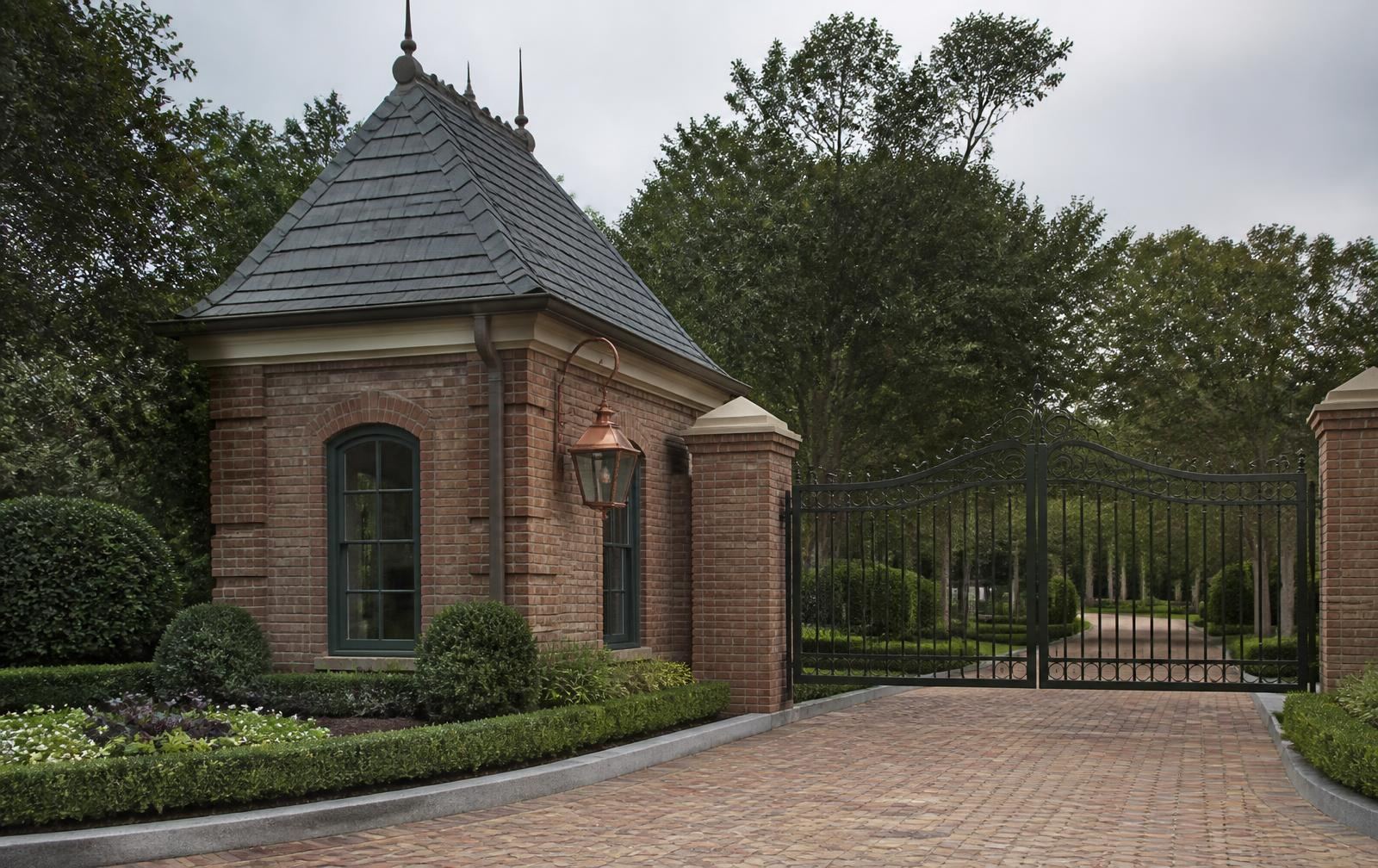
In most neighborhoods the homeowners association is an administrative footnote. In Morrocroft Estates it is a substantial part of what buyers are purchasing. The manned gate, the private streets, the uniform landscape at the entrance, and the discipline of architectural review are the mechanisms that keep ninety individually commissioned estates reading as a single, coherent community three decades after the first homes were built.
Dues in context
Quarterly dues in the region of $1,500 place Morrocroft Estates well above a typical Charlotte subdivision and squarely in line with staffed-gate communities of comparable caliber. The comparison that matters is not the dollar figure but what it buys: a round-the-clock human presence at a single entrance, privately maintained roads, and a reserve position for capital work. Owners evaluating the total picture should read this alongside the ownership-cost detail in the community guide.
Documents to request during diligence
A buyer should ask for the declaration of covenants and any amendments, current bylaws and architectural guidelines, the operating budget, the most recent reserve study, certificates of insurance on common elements, and the last several sets of meeting minutes. Minutes are the most revealing of the set — they surface pending projects, enforcement disputes, and any assessment under discussion long before those items appear in a budget.
Living with the covenants
Residents describe the covenants as protective rather than restrictive. Because every estate is unrepeatable, the rules focus on preserving scale, materials, and the streetscape rather than dictating taste. That posture is exactly why the community has absorbed a full generation of renovation — documented in the custom homes and renovation guide — without losing its character.